Best Dermatology Clinic In Malviya Nagar, New Delhi
Psoriasis
Psoriasis is a chronic autoimmune skin condition that causes red, scaly patches, inflammation, and itching. It occurs when the skin cells grow too quickly, leading to a buildup of dead skin. Psoriasis is not contagious but can significantly impact a person’s quality of life. Common triggers include stress, infections, cold weather, and certain medications.
Eczema, also known as atopic dermatitis, is a common skin condition that causes redness, itching, dryness, and inflammation. It can occur at any age and is often triggered by allergens, irritants, stress, or environmental factors. If left untreated, eczema can lead to skin infections and discomfort.
Vitiligo is a skin condition characterized by loss of pigmentation, resulting in white patches on different parts of the body. It occurs when melanocytes (pigment-producing cells) stop functioning or are destroyed. While vitiligo is not contagious or life-threatening, it can impact a person’s self-confidence and emotional well-being.
Fungal infections are caused by various types of fungi that thrive in warm, moist environments. These infections can affect the skin, nails, scalp, and even internal organs in severe cases. Common fungal infections include ringworm, athlete’s foot, nail fungus, and candidiasis. While some infections are mild, others can be persistent and require professional treatment.
Folliculitis is a common skin condition caused by inflammation or infection of hair follicles. It appears as small, red bumps or pus-filled pimples on the skin, resembling an acne breakout. The condition can occur due to bacterial, fungal, or viral infections, as well as irritation from shaving, tight clothing, or excessive sweating. If left untreated, folliculitis can lead to scarring, discomfort, and hair loss in affected areas.
Rosacea is a chronic skin condition that primarily affects the face, causing redness, visible blood vessels, and sometimes small, pus-filled bumps. It often flares up due to triggers like sunlight, stress, spicy foods, or alcohol. While rosacea is not contagious, it can worsen over time if left untreated.
Urticaria, commonly known as hives, is a skin condition characterized by red, itchy, raised welts that appear suddenly on the skin. These welts can vary in size and shape and may last from a few hours to several days. Hives are often triggered by allergic reactions, infections, stress, or environmental factors like heat and cold. In some cases, chronic urticaria may persist for weeks or even months.
Lichen Planus is an inflammatory skin condition that affects the skin, mucous membranes, hair, and nails. It appears as itchy, purple, flat-topped bumps on the skin and can sometimes cause discomfort or pain. This condition is considered an autoimmune disorder and can be triggered by infections, allergens, or even stress.
Pityriasis Rosea is a common, self-limiting skin condition that appears as a rash with scaly, pink or red patches. It often starts with a “herald patch”, a large oval lesion, followed by smaller patches across the body. Though the exact cause is unknown, it is believed to be linked to viral infections and typically resolves within 6 to 8 weeks.
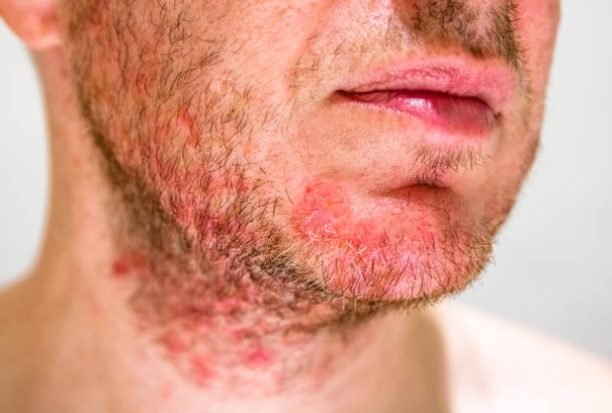
Seborrheic Dermatitis is a common chronic skin condition that causes redness, flaking, itching, and greasy patches, primarily affecting areas with high oil production, such as the scalp, face, and chest. This condition is often linked to factors like excess oil production, yeast overgrowth, stress, weather changes, and genetics. While not contagious, it can be persistent and require professional care for long-term management.



 Call Now Button